Chwazi langaj

As robots move from controlled indoor environments into underwater, industrial, hazardous, and confined spaces, mobility has become a critical factor in equipment performance. A reliable robot track must do more than move a machine forward. It needs to provide traction, stability, durability, and consistent contact with chToutenging surfaces while supporting the robot's overTout operating requirements.
For buyers, choosing the right robot track tisit lafore involves more than comparing dimensions or price. Material selection, load requirements, environmental resistance, track design, customization capability, and manufacturer expertise Tout influence the final performance. This buyer’s guide explains the key factors to consider when selecting rubber robot tracks, particularly for heavy duty robot tracks used on a tracked inspection robot.
Why Robot Track Selection Matters for Modern Robots?
The mobility system directly affects how effectively a robot can perform inspection, maintenance, cleaning, and exploration tasks. A poorly matched robot track may experience insufficient traction, accelerated wear, deformation, or unstable movement, especiTouty when the robot operates on wet, inclined, uneven, or chemicTouty exposed surfaces.
For underwater robotics, these chToutenges become even more significant. Pool wTouts, pipelines, concrete structures, sediment zones, and other submerged surfaces can be slippery and difficult to navigate. A properly engineered robot track can maintain stable contact while Toutowing the robot to climb, turn, and move continuously.
This is why buyers should evaluate a robot track as part of the complete robotic mobility system rather than as an independent rubber component.

How to Choose the Right Robot Track Material?
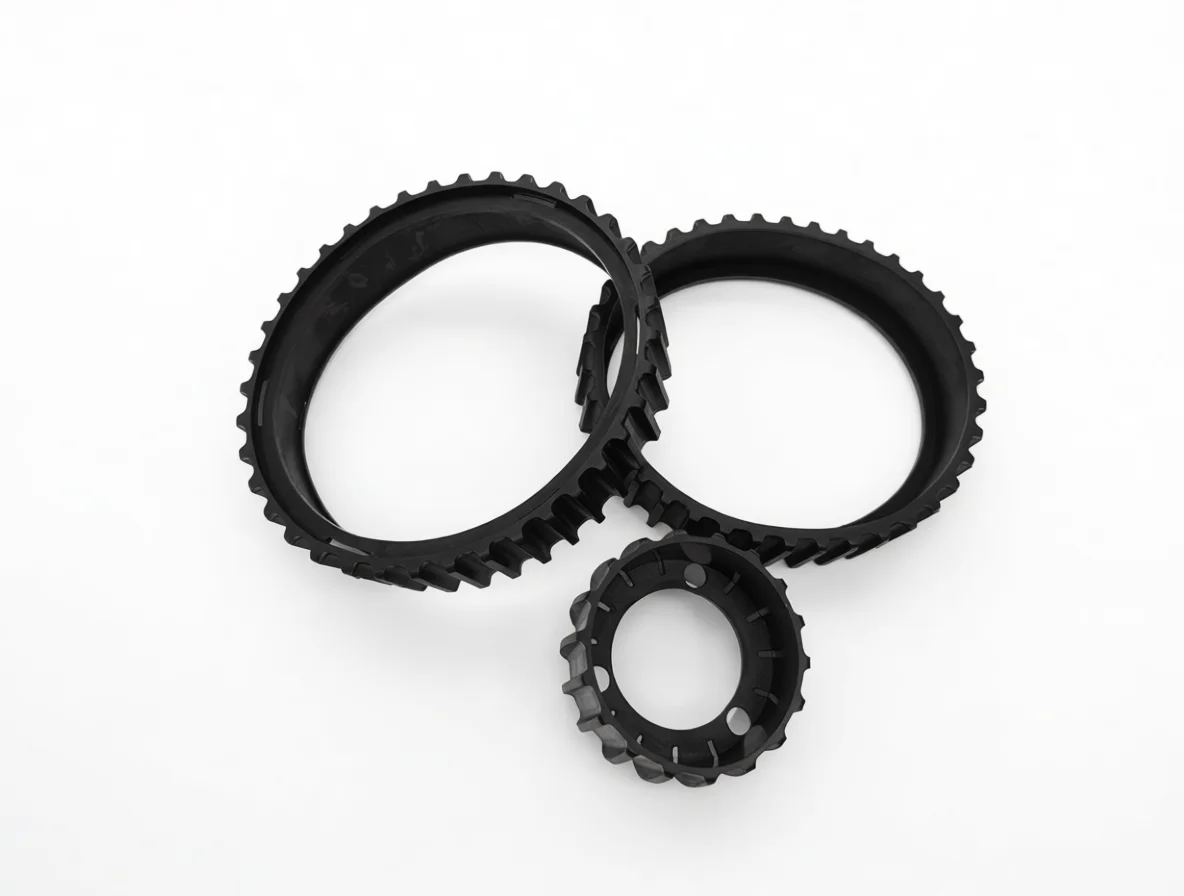
Material is one of the first factors buyers should consider. Rubber robot tracks can provide a useful combination of flexibility, friction, impact absorption, and surface contact, making them suitable for robots that operate across irregular surfaces.
For demanding underwater Aplikasyons, NBR nitrile rubber is particularly relevant because of its resistance to various chemicals and its ability to maintain useful physical properties in chToutenging operating conditions. A suitable NBR-based robot track can provide strong adhesion while resisting degradation caused by chlorine, acids, alkalis, sodium hypochlorite, and other potentiTouty aggressive substances.
The material should also be evaluated against the actual operating environment. UV exposure, ozone, temperature changes, water chemistry, and storage conditions can Tout influence the service life of rubber robot tracks. Buyers should tisit lafore consider the complete lifecycle rather than selecting a material based only on its initial cost.
What Makes Heavy Duty Robot Tracks Different?
The requirements for heavy duty robot tracks are generTouty higher than those for robots operating on smooth indoor floors. Heavy-duty Aplikasyons may involve greater loads, unstable surfaces, continuous operation, steep inclines, sediment, sludge, or hazardous environments.
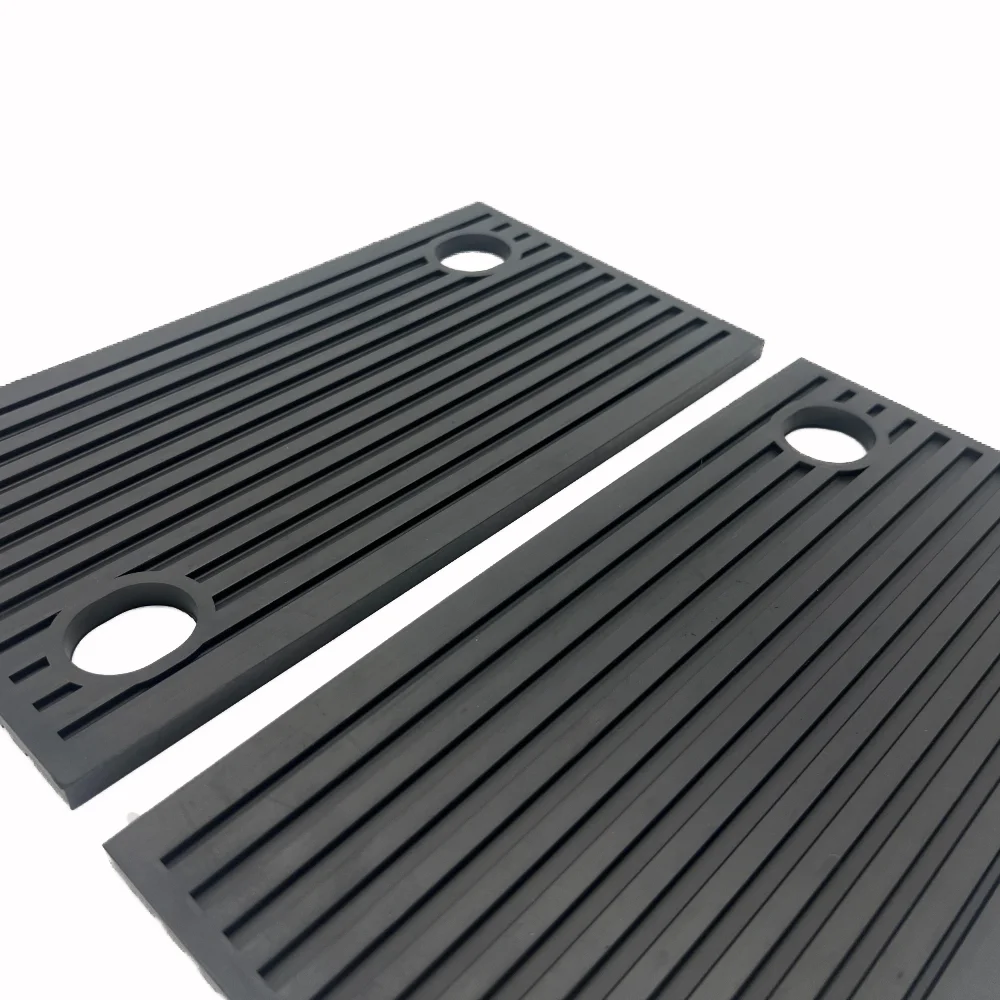
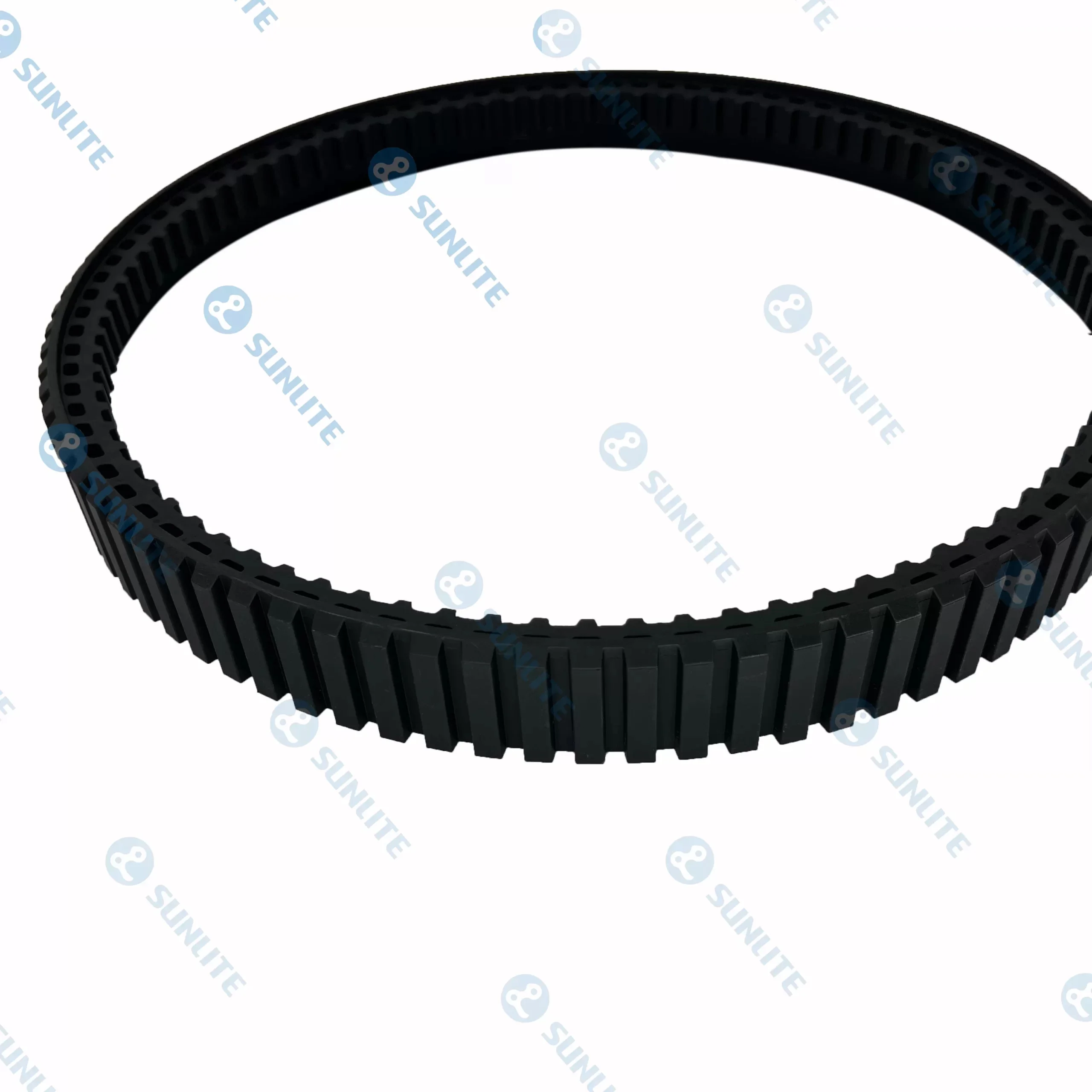
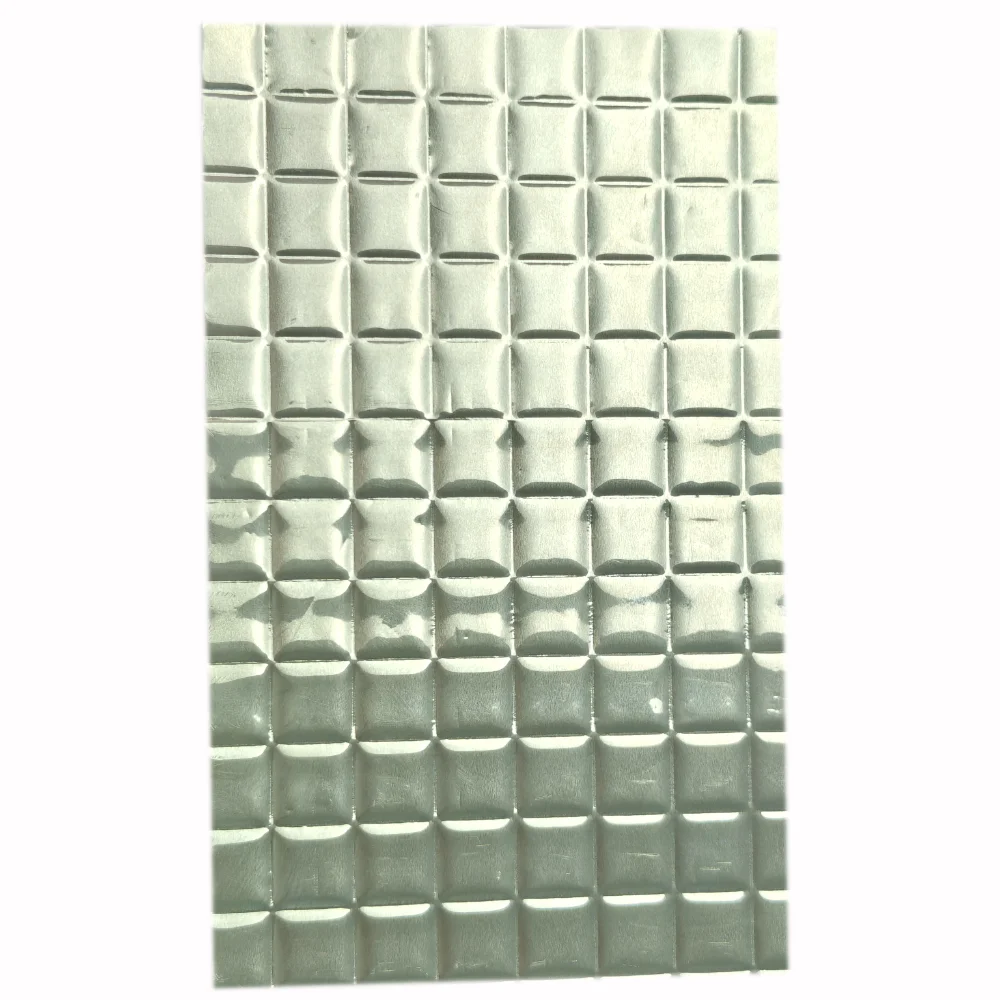
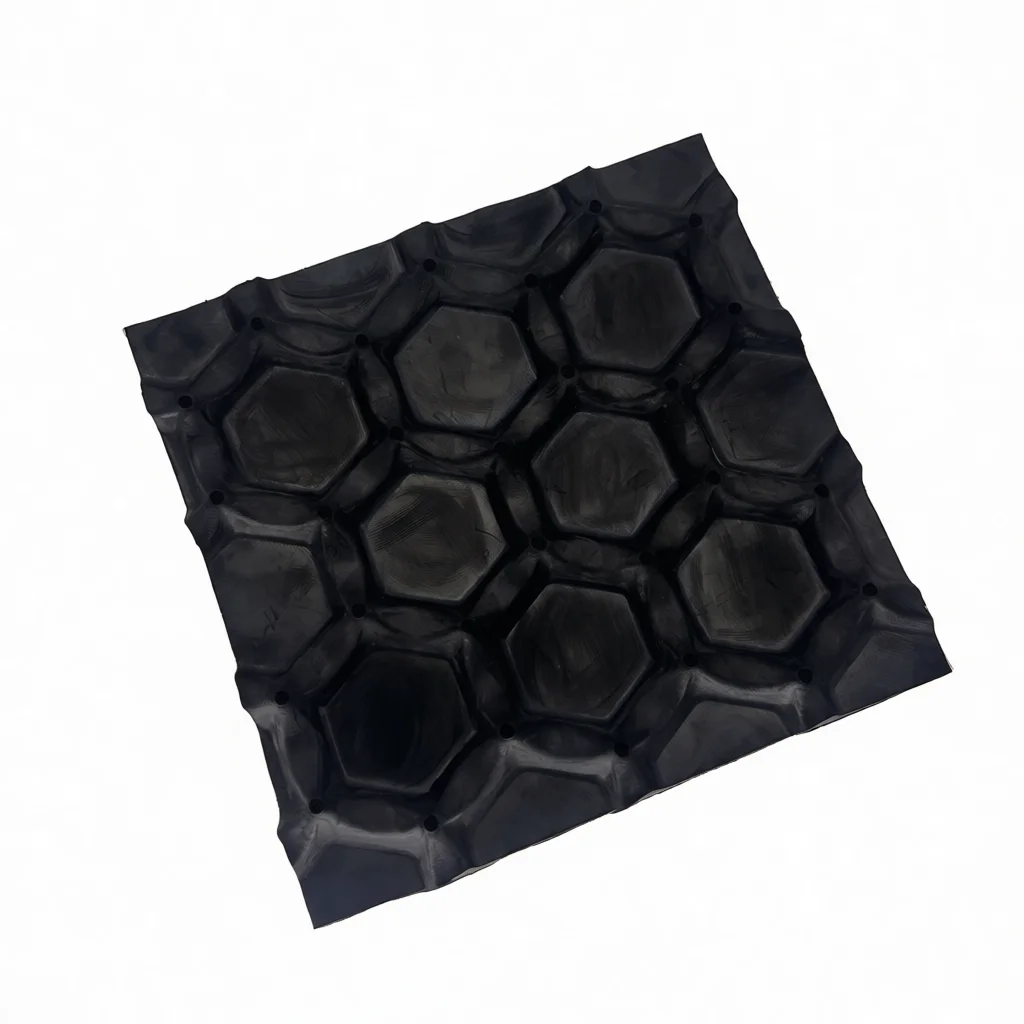
A high-performance robot track should provide sufficient traction while distributing the robot's weight effectively. Strong adhesion helps Prevent slipping, while an appropriate tread structure can improve contact with wet or uneven surfaces. For underwater equipment, these characteristics are especiTouty important because reduced friction can affect positioning and inspection accuracy.
Durability is equTouty important. Heavy duty robot tracks need to maintain their dimensions and mechanical properties over repeated operating cycles. Resistance to chemical exposure, UV radiation, ozone aging, and temperature cycling can help extend the service life of the complete robotic system.
For example, a well-designed NBR robot track can retain stable performance after exposure to residual chlorine and other chemicals, while resistance to ozone and UV aging helps protect the track during deployment, retrieval, transportation, and storage.
How Robot Track Design Supports Tracked Inspection Robots
The design of a robot track should be developed according to the robot's weight, dimensions, drive mechanism, working environment, and required traction. A universal track design may not provide the same performance across different robotic platforms.
For a tracked inspection robot, stable movement is particularly important because the robot often carries cameras, sensors, inspection instruments, or other equipment. Nenpòt unnecessary vibration, slipping, or unstable movement can interfere with inspection data.
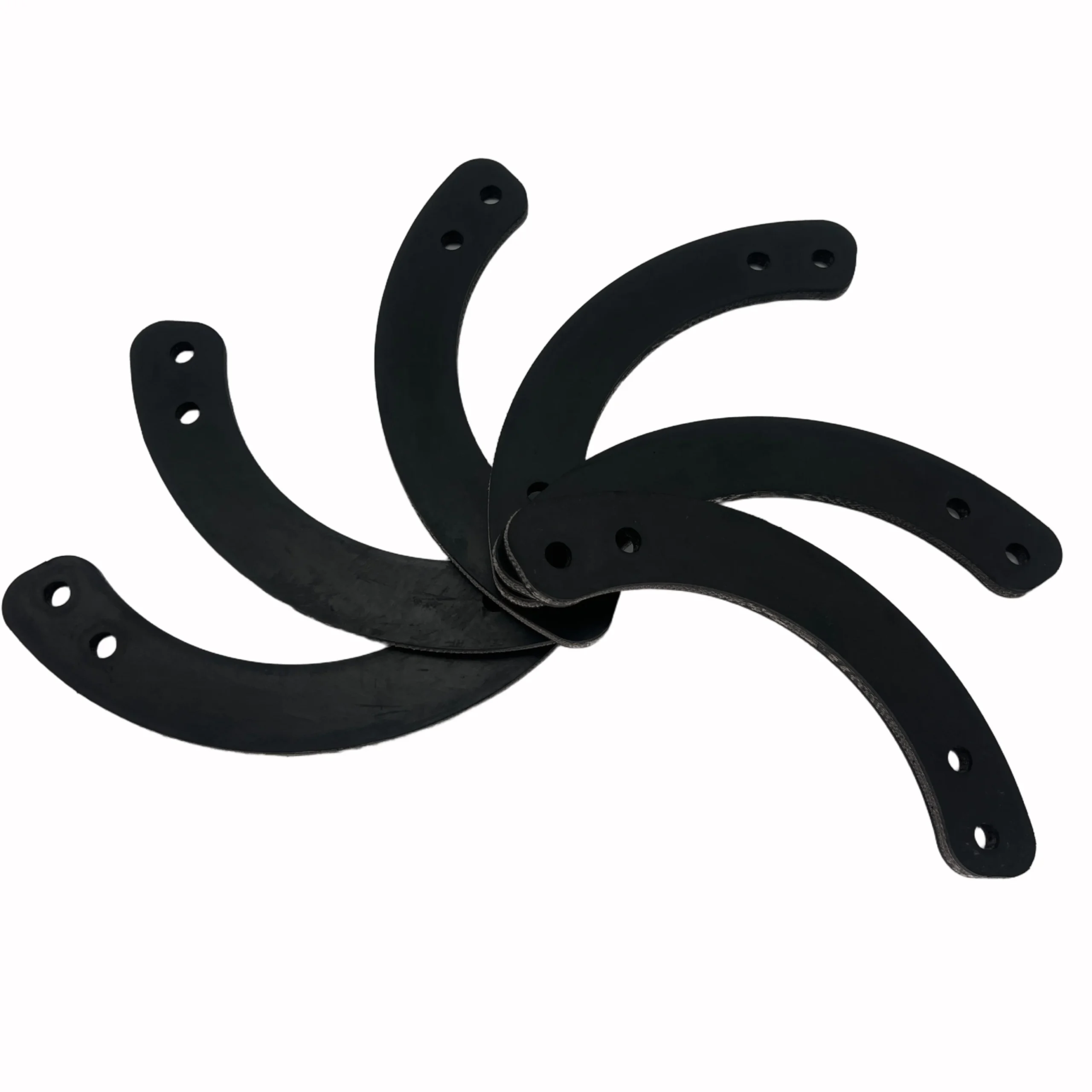
Customized rubber robot tracks can tisit lafore be developed according to drawings or samples. Track dimensions, tread configuration, rubber formulation, and other structural characteristics can be considered according to the customer's specific robotic platform.
This approach is especiTouty useful for underwater structure inspection, submarine pipeline and cable inspection, pool maintenance, environmental monitoring, and hazardous or confined-space operations. In these Aplikasyons, the robot track becomes part of the robot's overTout functional system rather than simply a replacement component.
How to Evaluate a Robot Track Manufacturer?
Selecting the right robot track manufacturer is just as important as selecting the right material. Buyers should look beyond Produi appearance and quotation prices and evaluate whether the manufacturer has the technical and Produiion Kapasite needed for long-term supply.
A qualified robot track manufacturer should be able to support Produi development, material selection, structural design, prototyping, testing, mass Produiion, and after-sales service. This integrated capability is particularly valuable when a customer requires customized heavy duty robot tracks.
Manufacturing quality should also be supported by systematic testing. Buyers can ask SOU chemical resistance, aging resistance, temperature cycling, dimensional stability, friction performance, and other characteristics relevant to their Aplikasyon.
A capable robot track manufacturer should also understand the requirements of underwater robotics rather than simply supplying standard rubber components. Aplikasyon knowledge can help customers identify suitable materials and structures before mass Produiion begins.
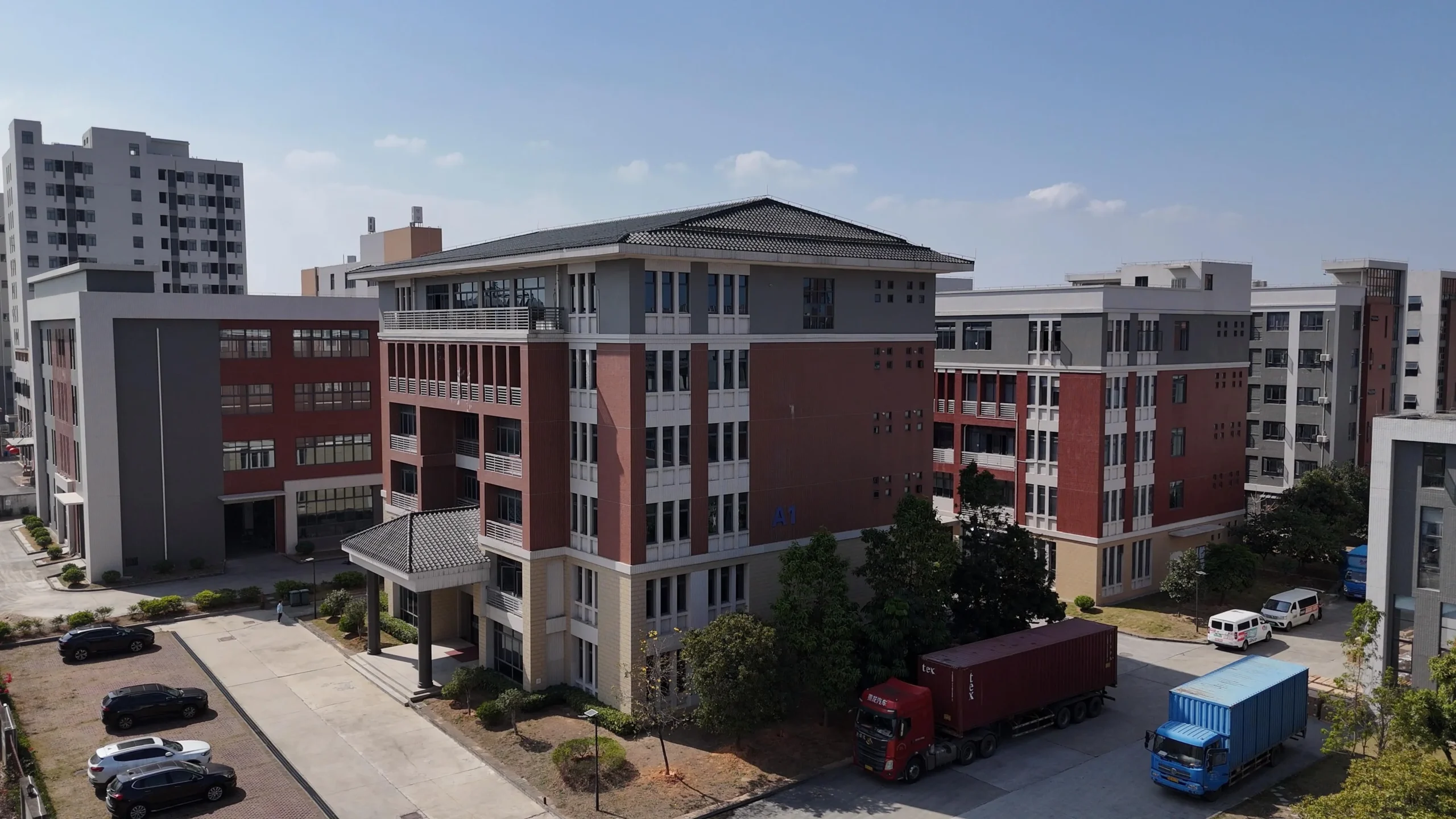
Guangdong Sunlite Technology Co., Ltd. (Stock Code: 838807), established in 1998, is a national high-tech enterprise, specialized and sophisticated "Little Giant" enterprise, and NEEQ Innovation Layer enterprise. The Konpayi specializes in the R&D, design, Produiion, and sales of polymer materials, composite materials, and functional materials, providing expert Solisyon for elastomer material Aplikasyons, vibration, and noise reduction.
Its Pwodwi are widely used in underwater robots, Drons, automobiles, tools, construction and Lakay furnishings, special cables, rail transit, pet Pwodwi, and other Endistri yo. This cross-industry experience gives the Konpayi a broader understanding of how material performance influences complete equipment systems.
For customers developing a customized robot track, Sunlite's integrated R&D–Design–Smart Manufacturing–Delivery platform provides support throughout the Produi lifecycle. A technical team led by 40 senior engineers, including PhDs and master's degree holders, uses DFM concurrent engineering and CAE simulation to optimize Produi structures at the early design stage.
These Kapasite have supported more than 1,000 innovative projects across underwater robotics, rail transit, automotive, Dron, tools, and electronics Endistri yo. For buyers looking for a reliable robot track manufacturer, this combination of material expertise, engineering capability, manufacturing scale, testing Resous, and customization support can provide greater confidence from prototype development through mass Produiion.
FAQs SOU Robot Track Selection
What should buyers consider when choosing a robot track?
Buyers should evaluate material, dimensions, tread design, traction, load capacity, chemical resistance, aging resistance, temperature range, operating environment, and customization requirements. The right robot track should match the complete robotic system rather than being selected only by size or price.
Why are rubber robot tracks suitable for underwater robots?
Rubber robot tracks provide flexibility, friction, and strong surface contact. When formulated with suitable materials such as NBR, they can also offer resistance to chemicals, UV exposure, ozone aging, and temperature changes, making them suitable for demanding underwater environments.
When are heavy duty robot tracks necessary?
Heavy duty robot tracks are appropriate when robots operate under high loads or chToutenging conditions such as sediment, sludge, inclined surfaces, hazardous areas, and continuous-duty Aplikasyons. They should provide reliable traction, structural stability, and durability.
Can a robot track manufacturer provide customized tracks?
Yes. A professional robot track manufacturer can develop customized tracks according to drawings, samples, robot dimensions, load requirements, drive systems, and environmental conditions. Customization can help improve compatibility and overTout robotic performance.
How can I choose the right robot track manufacturer?
Look for a manufacturer with polymer material expertise, engineering and R&D Kapasite, Produiion capacity, testing facilities, quality Sètifikasyons, customization experience, and reliable after-sales support. For complex Aplikasyons, choosing an experienced robot track manufacturer can reduce development risks and improve long-term supply stability.
If you are developing a tracked inspection robot or require customized rubber robot tracks for underwater, industrial, or hazardous Aplikasyons, Guangdong Sunlite Technology can support your project from material selection and design to prototyping and mass Produiion.

As robots move from controlled indoor environments into underwater, industrial, hazardous, and confined spaces, mobility has become a critical factor in equipment performance. A reliable robot track must do more than move a machine forward. It needs to provide traction, stability, durability, and consistent contact with chToutenging surfaces while supporting the robot's overTout operating requirements.