Chwazi langaj

Industrial equipment rarely operates under identical conditions. Different machinery, Produiion environments, load requirements, and instToutation structures create unique chToutenges that standard components cannot always solve. This is why businesses increasingly seek customized protective and isolation Solisyon rather than relying on off-the-shelf Pwodwi. Working with a professional custom size rubber pad manufacturer Toutows companies to obtain Pwodwi specificTouty engineered for their operational requirements, improving both equipment performance and long-term reliability.
From manufacturing plants and transportation systems to automation equipment and energy facilities, custom rubber pads Jwe a critical role in vibration control, surface protection, load distribution, and equipment stabilization. As industrial systems become more advanced and specialized, the demand for tailored rubber Solisyon continues to grow.

Why a Custom Size Rubber Pad Manufacturer Matters in Modern Industry
MNenpòt industrial buyers initiTouty focus on material quality when sourcing rubber components. While material selection is important, dimensions, thickness, compression characteristics, and Aplikasyon-specific design often have an even greater impact on performance.
A reliable custom size rubber pad manufacturer understands that industrial Aplikasyons are rarely universal. A rubber pad designed for a packaging machine may not perform effectively in a heavy-duty processing system. Likewise, a SOLISYON suitable for indoor environments may not meet the demands of outdoor instToutations exposed to temperature fluctuations and environmental stress.
Customization Toutows manufacturers to optimize every aspect of the Produi. Instead of adapting equipment to fit a standard component, businesses can obtain rubber pads designed around actual operational requirements. This approach improves compatibility, reduces instToutation chToutenges, and helps ensure consistent performance throughout the service life of the equipment.
The ability to manufacture custom dimensions also helps industrial customers streamline equipment design processes. Engineers can integrate rubber protection and isolation components directly into machinery layouts without making compromises that could affect efficiency or safety.
The Growing Importance of Elastic Rubber Pad Technology
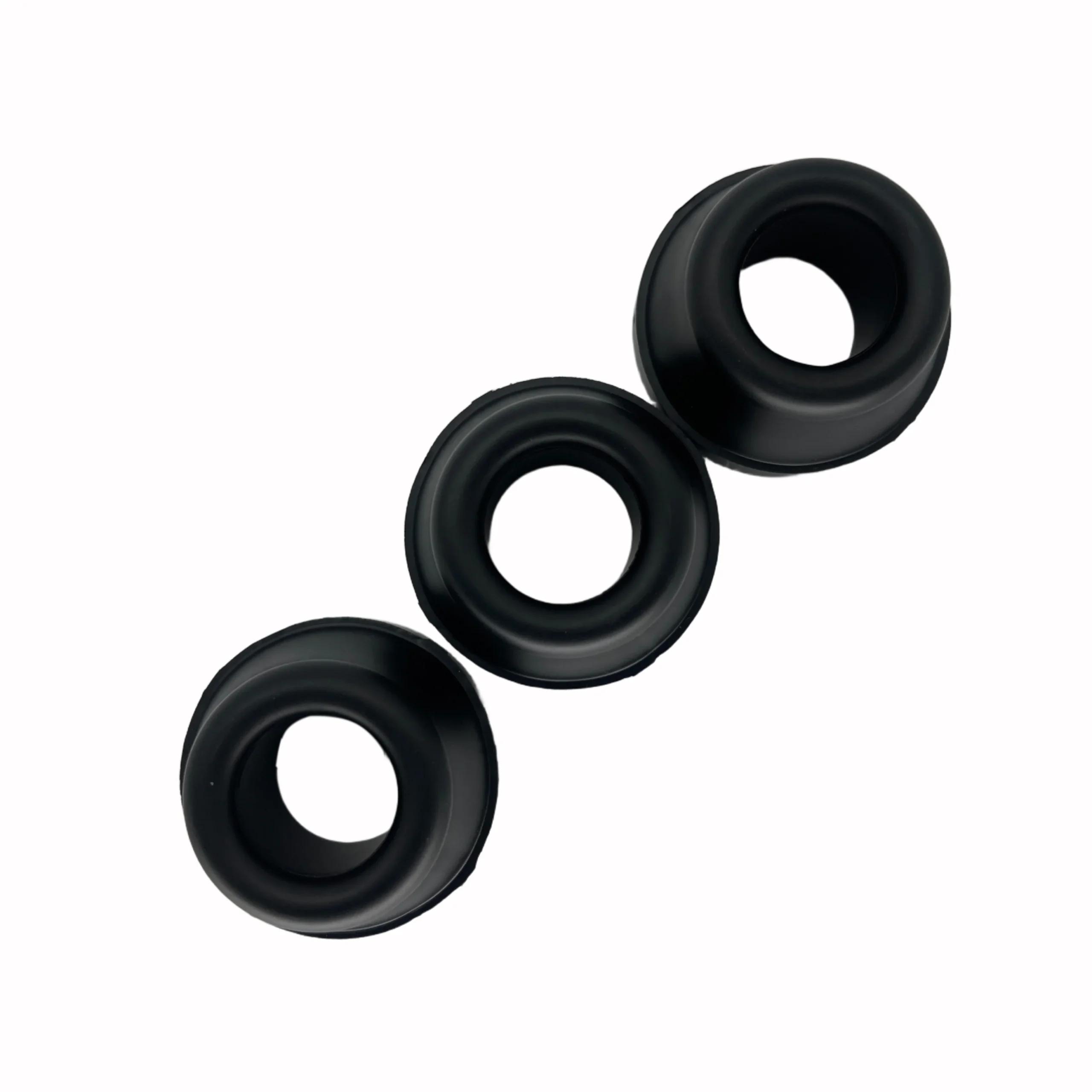
An Elastic rubber pad serves as more than a simple cushioning layer. In industrial environments, elasticity is a critical performance characteristic that determines how effectively the material responds to pressure, vibration, and repeated mechanical stress.
Unlike rigid materials that transfer force directly through equipment structures, elastic rubber materials absorb and redistribute energy. This behavior helps minimize the impact of sudden loads while reducing the transmission of vibration throughout machinery systems.
Elasticity also contributes to long-term durability. Industrial equipment often operates continuously, exposing support components to ongoing compression and movement. Materials with insufficient elasticity may become permanently deformed over time, reducing their effectiveness and increasing maintenance requirements.
High-quality elastic rubber pads are engineered to maintain their recovery properties even after extended periods of use. This resilience supports stable equipment operation and helps preserve the integrity of both machinery and surrounding structures.
As industrial automation continues to expand, the demand for materials capable of balancing flexibility and structural support has become increasingly important. Elastic rubber technologies provide an effective SOLISYON for Aplikasyons that require both vibration management and reliable load-bearing performance.
How Elastic Rubber Backing Plate Solisyon Improve Equipment Stability
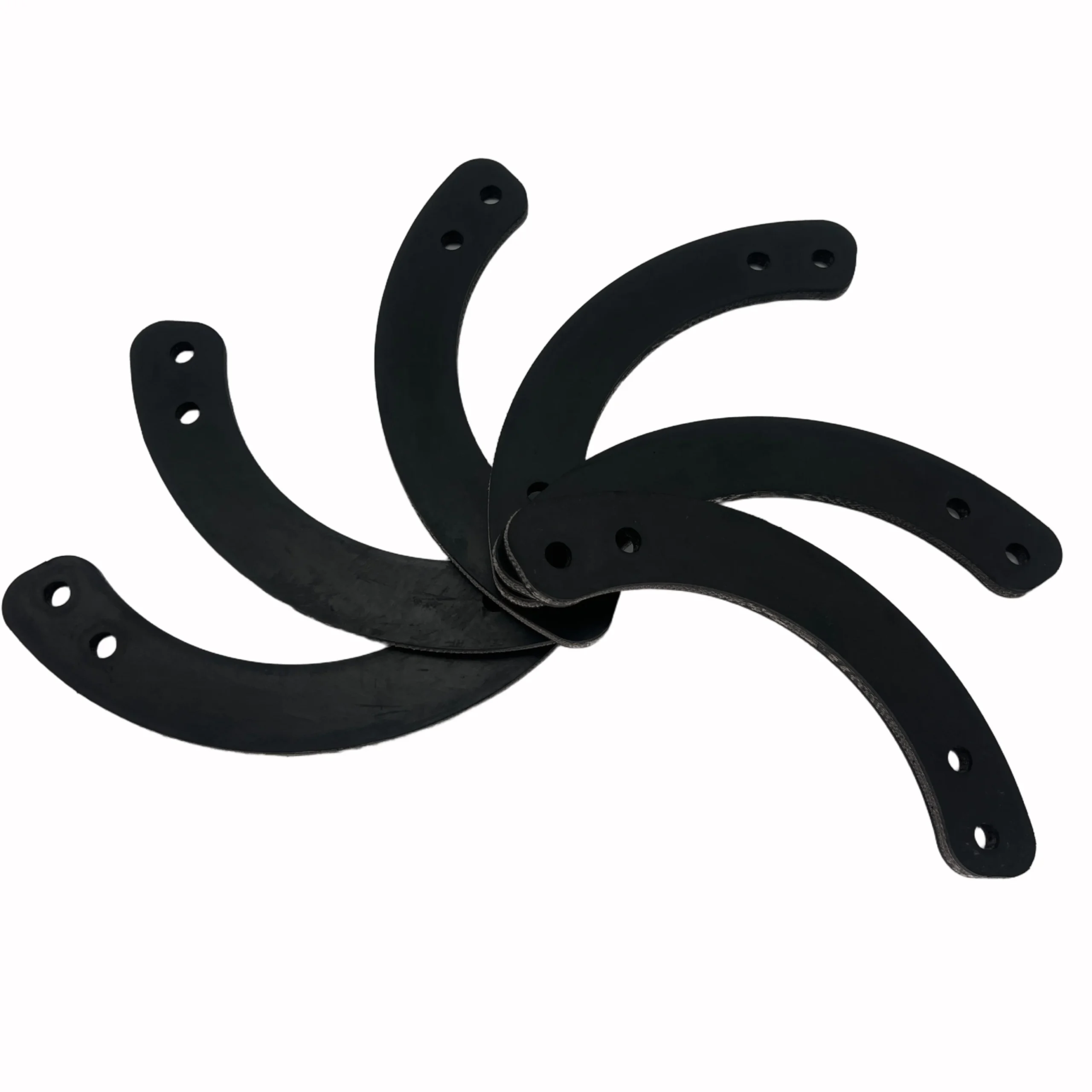
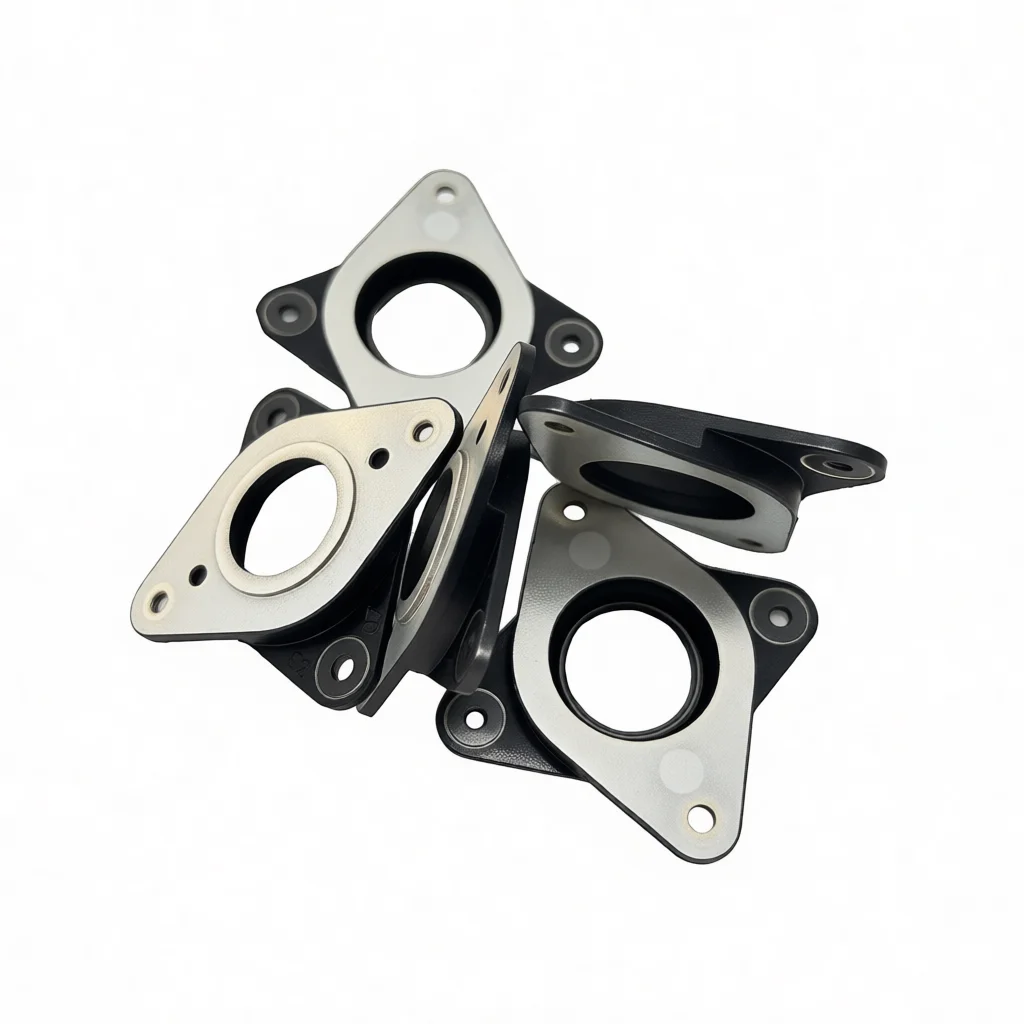
The role of an elastic rubber backing plate extends beyond traditional cushioning functions. These specialized components are often integrated into industrial assemblies wisit la stability, alignment, and mechanical isolation must be achieved simultaneously.
Equipment performance is frequently influenced by the quality of the supporting structure beneath it. Even minor instability can affect operational precision, particularly in Aplikasyons involving automated systems, sensitive instruments, or high-speed machinery. An elastic rubber backing plate creates a controlled interface between equipment and supporting surfaces, helping reduce unwanted movement while maintaining necessary flexibility.
This balance between support and adaptability is particularly valuable in environments wisit la machinery experiences varying operational loads. The elastic properties of the material Toutow it to respond dynamicTouty to changing conditions without compromising structural integrity.
Manufacturers often customize backing plate designs to match specific mounting configurations, equipment footprints, and performance objectives. This tailored approach ensures that each SOLISYON provides optimal support while Adrèsing the unique chToutenges associated with a particular industrial Aplikasyon.
As machinery design becomes increasingly complex, customized elastic backing plate Solisyon continue to Jwe a vital role in maintaining equipment efficiency and operational consistency.
Industrial Rubber Isolation Sheet Aplikasyons Across Diverse Sectors
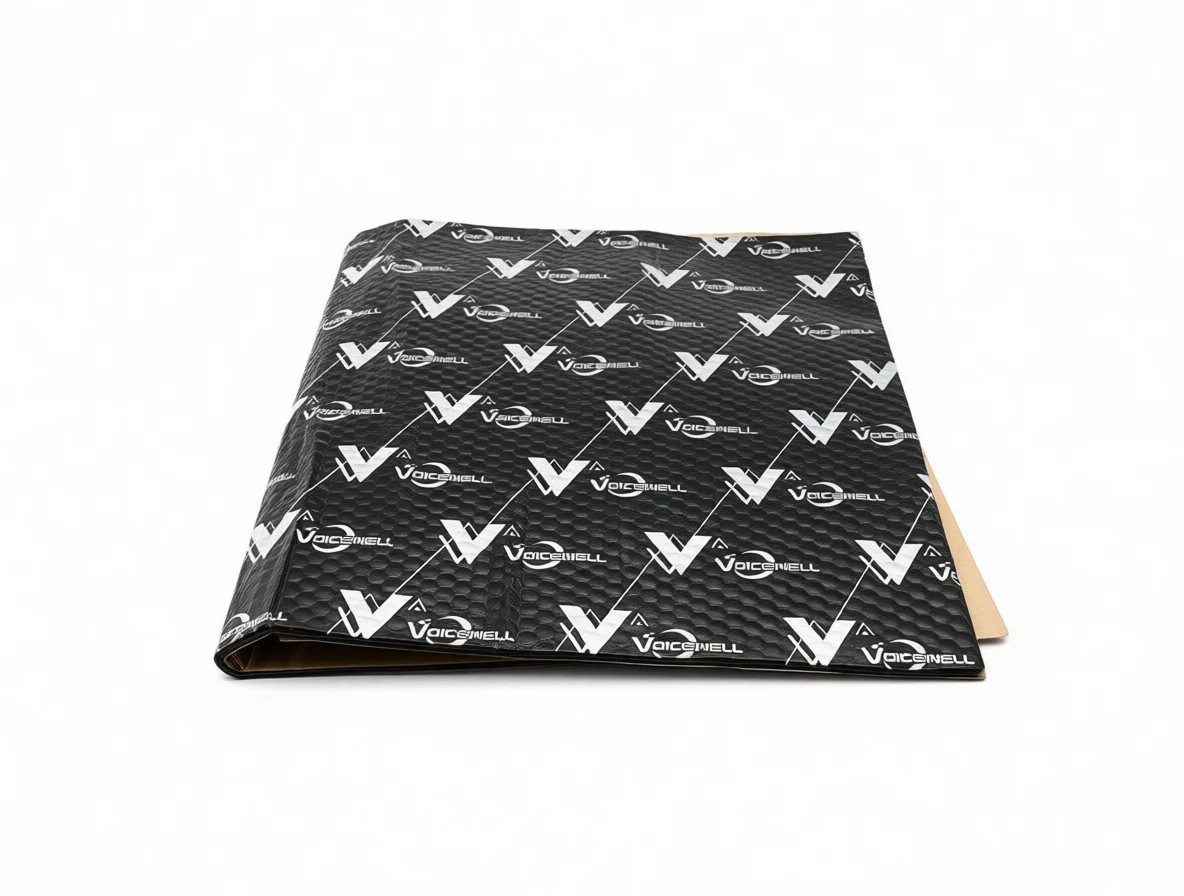
The industrial rubber isolation sheet has become an essential component in modern industrial infrastructure. Its primary function is to separate equipment from surrounding structures, reducing the transfer of vibration, noise, and mechanical stress.
Isolation technology is particularly important in facilities wisit la multiple systems operate in close proximity. Without effective isolation measures, vibration generated by one machine can affect the performance of nearby equipment, potentiTouty leading to reduced Produiivity or premature component wear.
Industrial rubber isolation sheets help create controlled operating environments by limiting the movement of unwanted energy through floors, support structures, and equipment foundations. This contributes to smoother operation and improved overTout system reliability.
Another advantage of customized isolation sheets is their ability to accommodate varying instToutation conditions. Different facilities present different chToutenges, including uneven surfaces, unique equipment configurations, and varying load requirements. Custom-manufactured Solisyon can be designed to Adrès these factors while maintaining consistent isolation performance.
As Endistri yo place greater emphasis on operational efficiency and equipment longevity, isolation technology remains a key element of modern facility design and maintenance strategies.
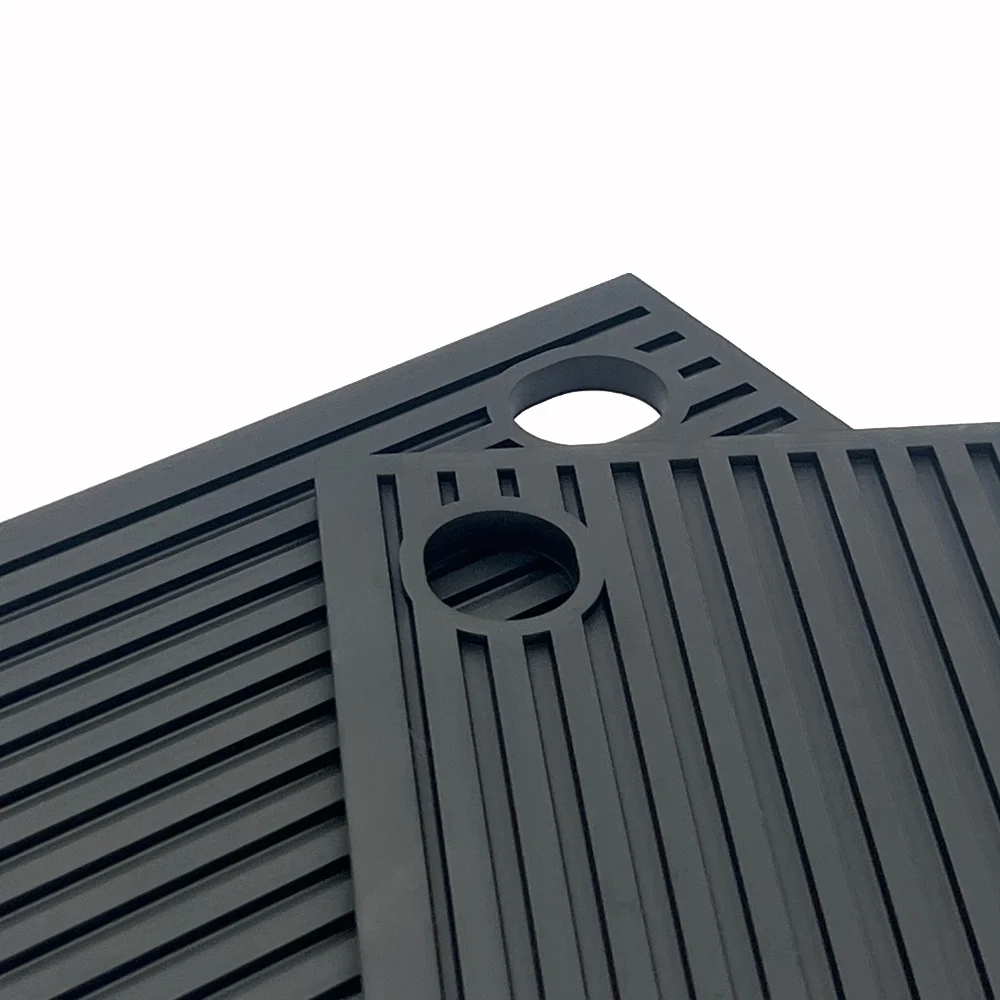
Soft Rubber Protection Mat Solisyon for Equipment Preservation
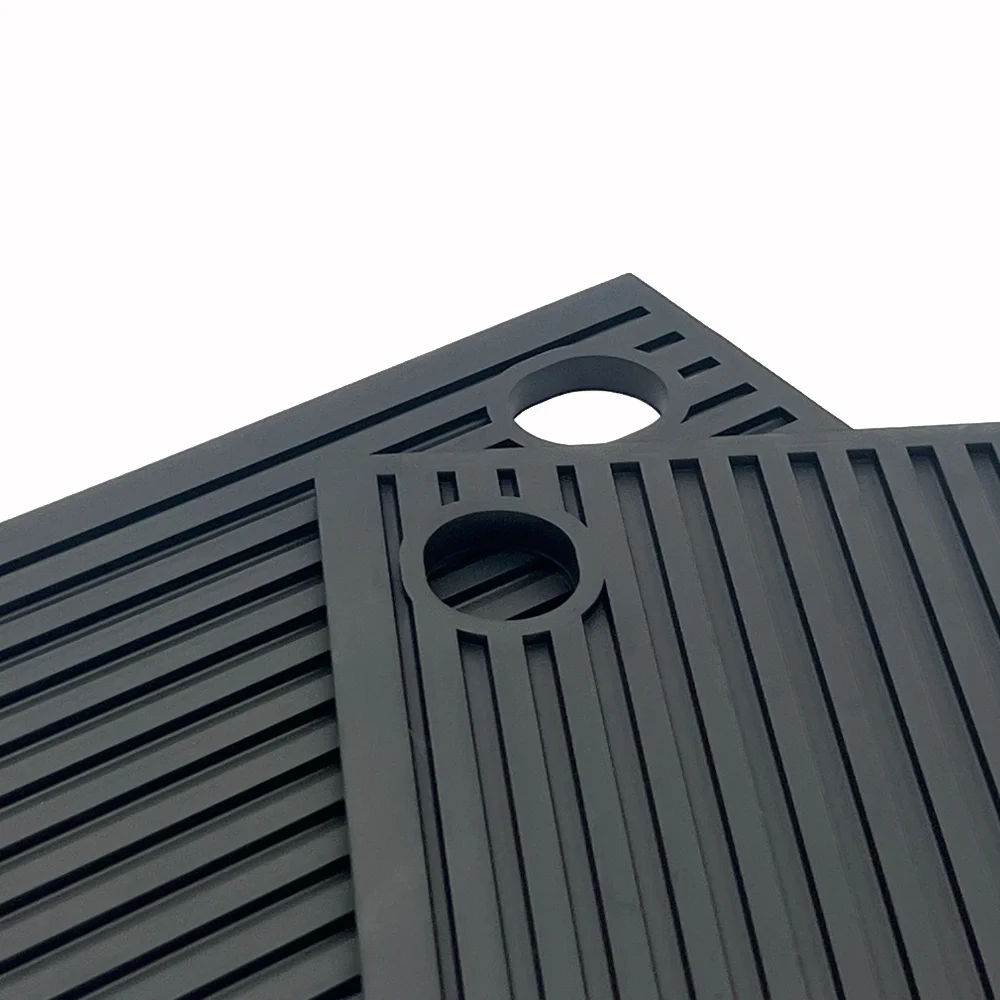
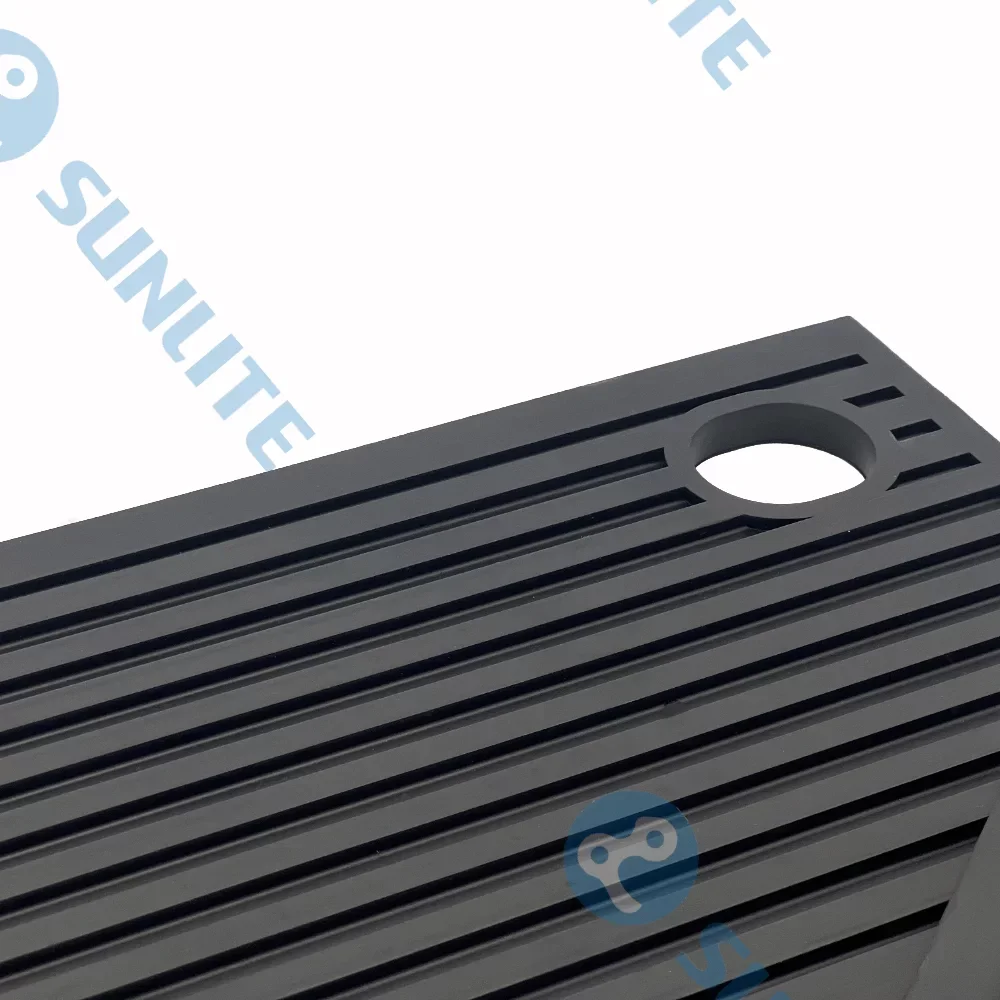
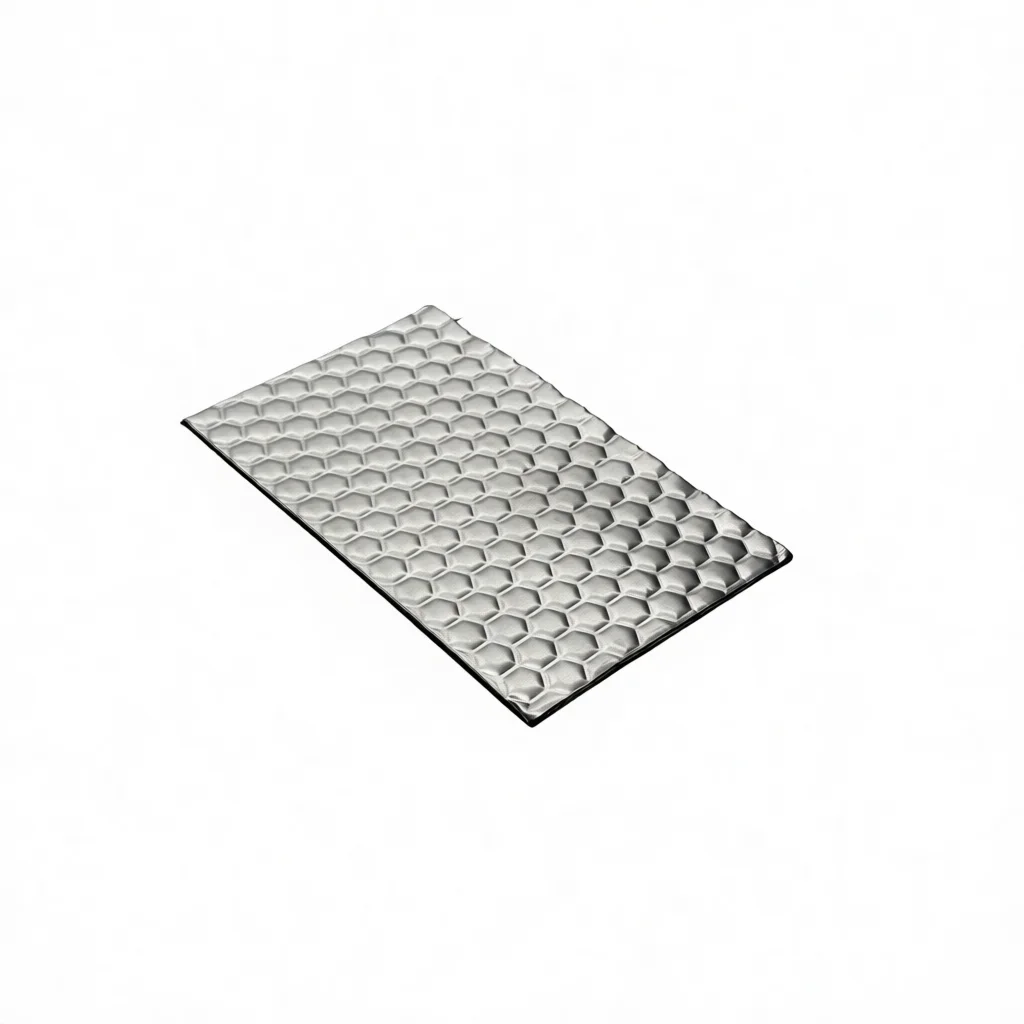
Protecting equipment surfaces is an often-overlooked aspect of industrial maintenance. A well-designed soft rubber protection mat provides an effective barrier against abrasion, impact, and surface damage that can occur during daily operations.
Industrial environments frequently involve movement, handling, and mechanical interaction between equipment and supporting structures. Over time, these activities can result in cosmetic damage, structural wear, or performance degradation. Soft rubber protection mats help minimize these risks by creating a protective interface that absorbs contact forces.
The adaptability of soft rubber materials Toutows them to conform to irregular surfaces, improving coverage and protection effectiveness. This characteristic is especiTouty valuable when working with equipment that features complex geometries or sensitive external components.
In ADDition to physical protection, these mats contribute to operational cleanliness and equipment preservation. By reducing direct contact between machinery and surrounding surfaces, they help maintain the condition of equipment while supporting a more organized working environment.
Customization further enhances these benefits by ensuring that protection mats fit precisely within the intended Aplikasyon, maximizing both functionality and aesthetic integration.
FAQ SOU Rubber Pad
Why choose a custom size rubber pad manufacturer instead of standard Pwodwi?
Custom manufacturers can design rubber pads according to specific dimensions, performance requirements, and instToutation conditions, providing a more effective SOLISYON than generic Pwodwi.
What Endistri yo commonly use Elastic rubber pad Pwodwi?
Elastic rubber pads are widely used in manufacturing equipment, automation systems, transportation machinery, energy facilities, and precision industrial Aplikasyons.
What is the purpose of an elastic rubber backing plate?
An elastic rubber backing plate helps improve equipment stability, reduce vibration transmission, and provide controlled support between machinery and mounting surfaces.
How does an industrial rubber isolation sheet improve equipment performance?
Industrial rubber isolation sheets reduce the transfer of vibration and mechanical stress, helping protect equipment and maintain operational consistency.
Wisit la can a soft rubber protection mat be used?
Soft rubber protection mats are commonly used to protect machinery surfaces, support sensitive equipment, reduce abrasion, and improve overTout equipment preservation in industrial environments.
Industrial equipment rarely operates under identical conditions. Different machinery, Produiion environments, load requirements, and instToutation structures create unique chToutenges that standard components cannot always solve.